
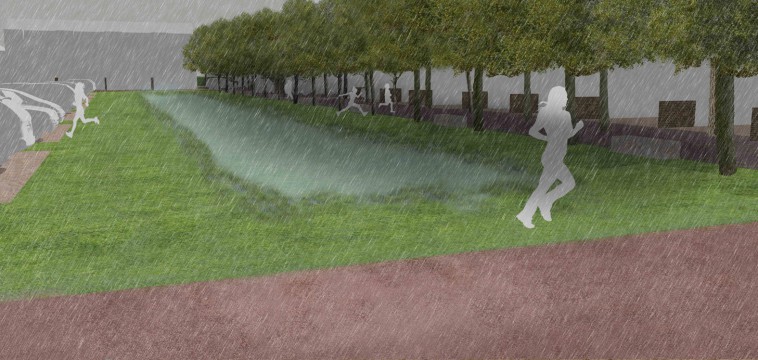
We were appointed as landscape architects by a developer client for a proposed 114-unit residential development. The 3.2 ha site lies at the edge of the Green Belt.
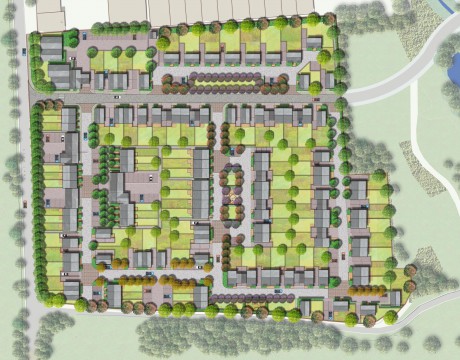
Initially, our landscape architect prepared a landscape masterplan for client and design team review. Once the team agreed the core landscape principles, we developed the landscape architect’s information for the detailed planning submission. This included a landscape masterplan and a landscape design statement. Together, these documents set out the landscape proposals in detail.
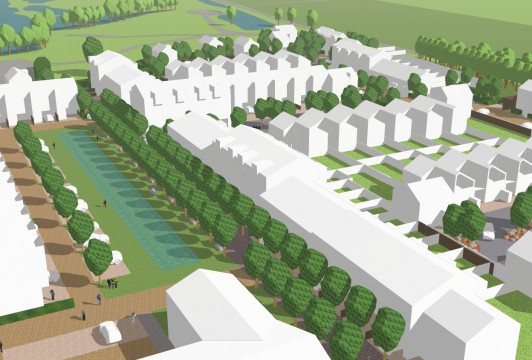
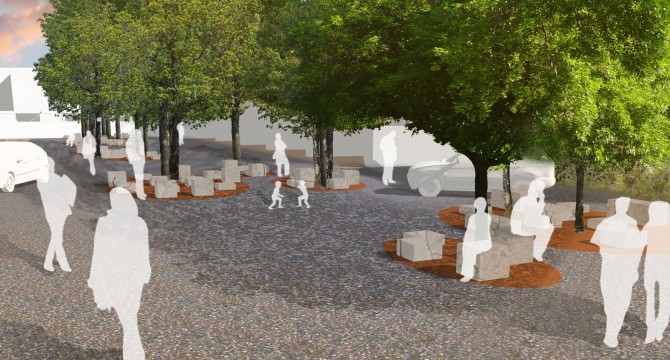
The proposed development has a low-density built form. Each residential unit benefits from a private rear garden. In addition, the landscape architecture strategy creates a pedestrian-friendly public realm across the site. The design follows Home Zone principles, with carriageways and footways generally set at the same level. Consequently, the layout encourages lower vehicle speeds and gives greater priority to pedestrians. It also creates opportunities for safe doorstep play.
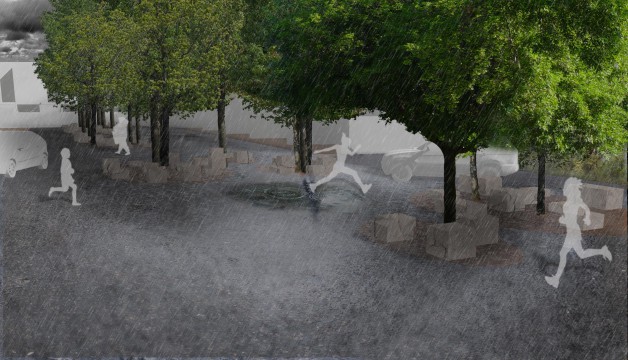
Furthermore, our landscape architect developed three community pocket parks within the site-wide landscape masterplan. Two parks incorporate dedicated play areas as part of the overall landscape design. The play areas combine formal and informal play elements. As a result, the landscape provides opportunities for children across a range of ages.
Generally, each residential frontage accommodates a parking space and pedestrian access. Boundary planting also creates a defined zone of defensible space around each property. In addition, small areas of unallocated parking provide further visitor and resident parking throughout the development.
The site directly adjoins Green Belt land. Therefore, the local authority placed particular importance on retaining existing trees along and adjacent to the site boundaries. Our landscape architects carefully considered the root protection areas of retained trees throughout the design process. This approach helped minimise potential impacts on tree health and supported the wider landscape strategy.
Landscape Institutes Work Stages: C to D
Client: Inner London Group
Architect: StockWool